
If you've ever wanted to turn any sound into a playable instrument, create unique vocal chops, flip old samples, or design completely original textures, Mimic Creative Sampler is one of the most powerful devices included with Reason 14.
Whether you're producing hip hop, electronic music, cinematic soundtracks, pop or experimental music, Mimic gives you an incredibly creative way to manipulate audio without needing expensive third-party plugins.
In this guide, we'll explain exactly how to use the Mimic Sampler in Reason 14, what each section does, and how beginners can quickly start creating professional sounds from almost any audio file.
By the end of this guide you'll understand:
-
What the Mimic Sampler is
-
How to import your own samples
-
How to edit and manipulate sounds
-
How slicing works
-
How to use filters, envelopes, LFOs and modulation
-
Tips for making your samples sound unique
-
How Editors Keys shortcut keyboards can speed up your workflow in Reason

What is the Mimic Sampler in Reason?
Mimic is Reason's modern creative sampler.
Instead of simply playing back an audio file, Mimic lets you reshape it in countless different ways.
You can:
-
Play vocal samples melodically across your MIDI keyboard
-
Chop drum loops into individual slices
-
Stretch sounds
-
Reverse samples
-
Create glitch effects
-
Add movement using modulation
-
Build entirely new instruments from a single recording
-
Turn almost any sound into something completely different
Unlike traditional samplers that can feel complicated, Mimic has been designed to make sampling visual and intuitive.
Everything happens directly on the waveform, making it much easier to understand exactly what's happening to your sound.
What Can You Use Mimic For?
One reason Mimic has become one of the most popular devices in Reason 14 is its flexibility.
It's useful for almost every style of music production.
Common uses include:
-
Vocal chops
-
Drum sampling
-
Creating bass instruments
-
Atmospheric pads
-
Sound design
-
Film scoring
-
Remixing tracks
-
Sampling vinyl
-
Creating risers and transitions
-
Manipulating field recordings
Even a simple recording of rain, a door closing or someone speaking can become a playable musical instrument inside Mimic.

How to Load Mimic into Your Reason Project
Getting started is incredibly straightforward.
Step 1: Create a New Instrument
Open your Reason project.
Right-click inside the Rack and choose:
Create Instrument → Mimic Creative Sampler
Alternatively, use the browser on the left-hand side and drag Mimic directly into your rack.
Reason automatically creates:
-
Mimic
-
A sequencer track
-
MIDI routing
-
Audio outputs
You're now ready to load your first sample.
Step 2: Import Your Sample
The quickest way is simply to drag an audio file directly into Mimic.
Supported formats include common files such as:
-
WAV
-
AIFF
-
MP3
-
FLAC (depending on system support)
Once loaded you'll immediately see the waveform displayed across the centre of the interface.
This visual display becomes the heart of your editing process.
If you're just learning, start with something simple like:
-
A vocal phrase
-
A piano note
-
A drum loop
-
A guitar chord
Simple sounds make it much easier to understand what each control is doing.
Step 3: Play the Sample
Connect your MIDI keyboard or use Reason's on-screen piano keyboard.
Play a note.
You'll hear the sample played back.
Higher notes raise the pitch.
Lower notes reduce the pitch.
Immediately you've transformed a normal audio file into a playable instrument.
This is one of the biggest reasons producers love samplers.
Understanding Mimic's Playback Modes
One of Mimic's biggest strengths is that it offers several different playback modes.
Each changes how your sample behaves.
Pitch Mode
This is the traditional sampler behaviour.
Playing different notes changes the pitch naturally.
Ideal for:
-
Pianos
-
Strings
-
Basses
-
Synth sounds
-
One-shot samples
Stretch Mode
Stretch mode attempts to keep the sample length consistent while changing pitch.
This is particularly useful for:
-
Vocals
-
Loops
-
Musical phrases
Instead of becoming much shorter at higher notes, your sample keeps a more natural timing.

Slice Mode
Slice mode is perfect for drum loops.
Rather than playing one long recording, Mimic automatically detects transients and cuts the sample into individual slices.
Each MIDI key triggers a different slice.
This lets you completely rearrange rhythms without manually editing the audio.
It's an incredibly fast way to create fresh drum patterns.

Multi Slot Mode
Instead of loading one sample, you can load multiple samples.
Each sample can be triggered individually across the keyboard.
This is excellent for:
-
Drum kits
-
Percussion instruments
-
Multi-sampled instruments
Editing the Start and End Points
One of the first things you'll want to adjust is where your sample begins.
Simply drag the start marker.
You can remove:
-
Silence
-
Background noise
-
Breath sounds
-
Clicks
-
Unwanted attacks
Likewise, dragging the end marker shortens the sample.
This helps create tighter, cleaner sounds.
Small adjustments here often make a dramatic improvement.
Adjusting Pitch
Sometimes your sample isn't in the key of your song.
Fortunately Mimic makes correcting this straightforward.
You can adjust:
-
Root note
-
Fine tuning
-
Coarse tuning
This allows your sample to sit perfectly within your project.
Time Stretching
Time stretching changes the duration without drastically affecting pitch.
This is particularly useful when working with:
-
Vocals
-
Instrument loops
-
Spoken dialogue
-
Ambient recordings
Instead of speeding everything up unnaturally, Mimic intelligently stretches the sound to better match your track.
Reversing Samples
A favourite technique used by countless producers.
Simply reverse the sample.
Instantly you'll create:
-
Reverse cymbals
-
Ambient textures
-
Dream-like vocals
-
Cinematic transitions
-
Experimental effects
Reverse playback can completely transform an otherwise ordinary recording.
Using the Filter
Filters shape the tonal balance of your sample.
Think of them like tone controls.
Low-pass filters remove high frequencies.
High-pass filters remove low frequencies.
Band-pass filters isolate a specific frequency range.
Filtering is one of the quickest ways to make sounds fit together inside a mix.
For example:
A vocal sample may sound too bright.
Lowering the filter slightly smooths out the harsh top end.
A bass sample may contain unnecessary high frequencies.
Applying a low-pass filter keeps it focused.

Understanding the Filter Envelope
The filter envelope controls how the filter changes over time after each note is played.
Instead of staying static, the sound can gradually brighten or darken.
You'll commonly adjust four controls:
Attack
How long it takes for the filter to open.
Long attacks create gentle evolving sounds.
Decay
How quickly the filter closes after opening.
Sustain
How much filter remains while holding a note.
Release
How long the filter continues after releasing the key.
Together these controls create expressive movement that brings samples to life.
Using the Amp Envelope
The amp envelope controls the volume shape.
Again you'll find:
-
Attack
-
Decay
-
Sustain
-
Release
A fast attack gives an immediate sound.
A slower attack creates swelling pads.
Long releases create lush atmospheric textures.
Short releases make drums feel punchier.
Adding Movement with the LFO
LFO stands for Low Frequency Oscillator.
Although the name sounds technical, it's actually simple.
Think of an LFO as an automatic movement generator.
It repeatedly changes a parameter over time.
You can assign an LFO to:
-
Pitch
-
Filter
-
Volume
-
Pan
-
Various modulation destinations

Examples include:
-
Vibrato
-
Tremolo
-
Pulsing filters
-
Rhythmic movement
-
Wobbling basses
Adjusting the LFO speed changes how quickly the movement occurs.
Using the Modulation Section
The modulation controls let different parameters influence one another.
You can route modulation sources to destinations throughout Mimic.
Examples include:
-
Velocity controlling filter brightness
-
Mod wheel controlling vibrato
-
Aftertouch opening the filter
-
LFO controlling pitch
These interactions make instruments feel far more expressive.
Instead of every note sounding identical, the instrument responds dynamically to your performance.
EQ Controls
Reason 14 includes built-in EQ controls within Mimic that allow you to shape the overall character of your sample before it reaches the mixer.
A few subtle EQ adjustments can make a huge difference.
For example:
-
Add a little top end to brighten dull recordings.
-
Reduce muddy low-mid frequencies to improve clarity.
-
Roll off unnecessary low frequencies from vocals or effects.
-
Give drum hits a little more punch with gentle boosts in the right areas.
Making these adjustments inside Mimic means your sample often requires less processing later in your mix.
Working with Slices
Slicing is one of Mimic's standout features.
Instead of manually cutting audio in the sequencer, Mimic can detect hits automatically.
This is especially useful for:
-
Breakbeats
-
Drum loops
-
Percussion
-
Funk grooves
-
Live recordings
Once sliced, each section becomes playable via MIDI.
This means you can completely rearrange a drum groove in seconds.
Many modern hip hop and electronic producers rely heavily on slicing to create fresh beats from existing loops.

Layering Samples
One of the easiest ways to create richer sounds is by layering.
Try combining:
-
Piano with strings
-
Kick drums with percussion
-
Vocal chops with synths
-
Foley sounds with electronic drums
Layering creates depth and helps your productions sound larger and more original.
Automating Parameters
Almost every Mimic control can be automated inside Reason.
Try automating:
-
Filter cutoff
-
LFO speed
-
Pitch
-
Sample position
-
Effects
-
Volume
Automation adds excitement and keeps arrangements feeling dynamic.
Tips for Better Sampling
A few simple habits can dramatically improve your results:
-
Use high-quality recordings whenever possible.
-
Trim silence before importing.
-
Experiment with reversing sounds.
-
Try extreme pitch changes—you might discover something unique.
-
Layer multiple samples together.
-
Use filters creatively instead of relying solely on EQ.
-
Don't be afraid to automate parameters throughout your track.
-
Save your favourite patches so you can reuse them in future projects.
The best producers rarely use a sample exactly as they found it. Mimic rewards experimentation, so don't be afraid to push the controls and discover unexpected sounds.
Speed Up Your Workflow with Editors Keys Reason Shortcut Keyboards
As you become more confident using Mimic and producing music in Reason, keyboard shortcuts can dramatically speed up your workflow. Constantly reaching for menus interrupts your creativity, especially when you're editing samples, recording MIDI, arranging tracks or switching between tools.
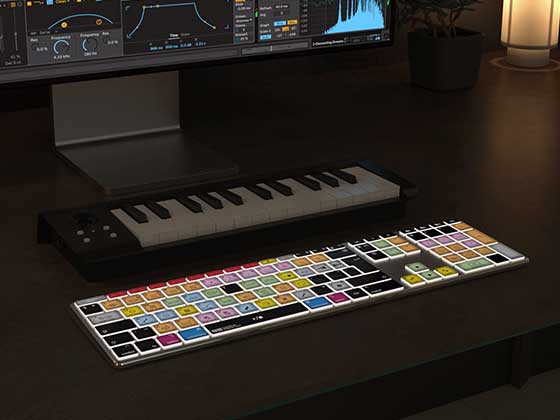
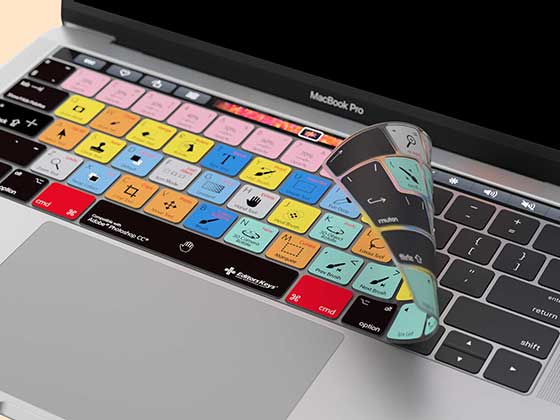
That's where the Editors Keys AB10 Core wired USB-C shortcut keyboard and the Editors Keys AB10 Air wireless backlit shortcut keyboard for Reason can make a real difference. Both keyboards feature the most important Reason 14 shortcuts printed directly onto the keys, helping you execute commands much faster while naturally learning the shortcuts as you work.

Whether you're trimming samples in Mimic, quantising MIDI, zooming around the sequencer, duplicating clips or navigating the Rack, having the shortcuts clearly labelled can save countless clicks throughout a production session.
The AB10 Core is ideal for producers looking for a reliable wired setup with responsive keys, while the AB10 Air adds Bluetooth connectivity, multi-device support and adjustable backlighting, making it perfect for late-night studio sessions and producers working across multiple computers.
Instead of interrupting your creative flow to search menus or remember keyboard combinations, you can keep your focus on making music. Over time, you'll memorise the shortcuts naturally, leading to faster editing, smoother production sessions and a more enjoyable workflow.

Final Thoughts
Mimic Creative Sampler is one of the standout instruments in Reason 14, giving producers a fast and intuitive way to transform ordinary audio into something entirely new. Whether you're creating playable instruments from a single recording, chopping drum loops into slices, designing evolving pads or crafting expressive vocal chops, Mimic offers an impressive balance of simplicity and creative depth.
For beginners, the visual interface makes sampling far less intimidating than traditional hardware or software samplers. As your skills grow, you'll discover powerful features such as modulation routing, LFOs, envelopes, filters and slicing that can take your sound design much further.
The key is to experiment. Try different playback modes, adjust envelopes, automate parameters and combine multiple samples to create sounds that are uniquely yours. The more time you spend exploring Mimic, the more you'll appreciate why it has become such an essential tool for Reason producers.
And if you want to work even faster, pairing Reason 14 with an Editors Keys AB10 Core or AB10 Air shortcut keyboard can help streamline your entire workflow, allowing you to spend less time searching for commands and more time creating music. With the most important shortcuts at your fingertips, you'll stay in the creative zone and get ideas down more quickly—exactly where every producer wants to be.