

Cubase 15.0.30 may not be the biggest feature update that Steinberg has ever released, but it delivers something just as valuable for many producers and engineers: stability, reliability and workflow improvements. Rather than introducing sweeping new creative tools, this maintenance update focuses on refining existing features, fixing bugs and polishing everyday usability.
If you use Cubase every day for recording, mixing, editing or composing, these improvements can make a noticeable difference to your workflow. Small issues that previously interrupted creativity have been addressed, while compatibility and routing have been refined to make projects run more smoothly.
Whether you're already using Cubase 15 or you're still considering upgrading from Cubase 14, here's everything you need to know about the latest 15.0.30 update.
A Free Copy of Celemony Tonalic Essential
Perhaps the biggest headline feature of Cubase 15.0.30 isn't actually inside Cubase itself.
All Cubase Pro 15 and Cubase Artist 15 users are now eligible for a free licence of Celemony's new Tonalic Essential, available through the voucher section of their MySteinberg account.
Once installed, Tonalic integrates directly into Cubase with its own dedicated tab in the Project Window's right-hand zone, giving users fast access to its tools without interrupting their workflow.
For musicians and producers, this adds another creative option for analysing and working with musical material directly alongside their projects, making composition and arrangement even more fluid.

Improved Folder Tracks and Routing
Folder Tracks with Group Channel functionality received several important improvements.
One of the biggest fixes ensures that moving tracks out of a Folder Track no longer breaks their routing. Previously, users could accidentally lose carefully configured signal paths when reorganising projects, particularly larger sessions with multiple buses.
Nested Folder Tracks containing Group Channels also now produce audio correctly, eliminating situations where projects could unexpectedly fail to output sound.
Steinberg has also improved the Add Track dialogue, allowing channel configuration and output routing to be configured directly when creating Group-enabled Folder Tracks. Combined with fixes to automatic send connections and imported track settings, routing management is now significantly more predictable.
For engineers working on large mixes or orchestral templates, these improvements can save valuable troubleshooting time.
Better Importing and Track Management
Importing material between projects is now more reliable than before.
Track settings imported from another project will no longer accidentally create Track Versions, preventing unwanted duplicates and confusion.
Similarly, Track Archive events now appear at their correct time positions rather than being misplaced on the timeline.
The Inspector also correctly displays track information when Combine Selection Tools mode is enabled, while Quick Link no longer changes MIDI inputs, outputs or channels unexpectedly.
These changes make collaboration and project migration much safer, particularly for professionals moving content between multiple sessions.
Editing Has Become More Reliable
Several editing tools have received welcome fixes.
The Comp Tool now behaves correctly when Group Editing is enabled, ensuring comping operations apply consistently across collapsed lanes within grouped tracks. For anyone editing multi-microphone drum recordings or layered vocals, this removes a potentially frustrating issue.
Static Event Volume controls now appear only when appropriate, making the interface cleaner and reducing accidental adjustments.
Bounce Selection operations with active ARA extensions no longer cause Cubase to freeze, allowing users to confidently consolidate clips while using advanced pitch editing tools.
Other improvements include:
-
Articulations now correctly replace others within the same articulation group.
-
Locked global tracks no longer interfere with Score Editor editing.
-
The "Nudge -1 Bar" command behaves correctly during playback.
-
Certain Chord Pad MIDI inputs no longer crash the application.
-
Control-key assignments on macOS have been restored.
-
Right-click Toolbox subtools are once again fully accessible.
-
Grid colour changes now update correctly in the Part Editor.
-
Older Track Presets containing Expression Maps load properly.
While individually these may seem like minor fixes, together they create a noticeably smoother editing experience.

Direct Offline Processing Gets Polished
Direct Offline Processing has become increasingly popular because it allows non-destructive processing without committing permanently to edits.
Cubase 15.0.30 improves this workflow considerably.
The VST Bass Amp and VST Amp Rack interfaces now display correctly when used inside Direct Offline Processing, while Auto Apply no longer unexpectedly resizes plug-in windows.
Another important optimisation prevents multiple unnecessary processing instances from being created when parameters are adjusted, improving responsiveness and reducing clutter.
The Multiband Envelope Shaper has also been performance optimised while bypassed, reducing unnecessary CPU usage during larger sessions.
Media Management Improvements
Several fixes target MediaBay and sample management.
Dragging audio directly from MediaBay or the Media Rack Previewer now behaves as expected, making sample browsing more intuitive.
Sampler Tracks also correctly reconnect missing audio files, reducing headaches when moving projects between systems.
FLAC file playback near the end of files no longer creates large disk load spikes, improving stability when working with compressed audio libraries.
Mac users will also appreciate fixes to the audio import browser preview controls, which now operate reliably again.
MixConsole and User Interface Refinements
Cubase's interface has received a number of subtle but useful improvements.
The MIDI icon has returned to the MixConsole Channel Visibility list, making channel identification easier.
EuCon users will once again see complete parameter values displayed correctly on supported hardware controllers.
Section headers in the MixConsole respond more reliably when clicked, even if the mouse moves slightly, while checkmarks have returned to the Project Sharing and Permissions dialogue.
These may appear cosmetic, but smoother interaction contributes significantly to day-to-day productivity.
Expanded MIDI Controller Support
Hardware integration continues to improve with support for the Novation Launch Control Series 3.
Steinberg has also updated Cubase to support MIDI Remote API 1.3, giving controller developers and advanced users more flexibility when creating custom hardware integrations.
For musicians building personalised control surfaces, these additions provide more possibilities for streamlining production.

Cubase 15.0.30 vs Cubase 14: Is It Worth Upgrading?
If you're currently using Cubase 14, the decision to upgrade depends on how much you value ongoing refinements rather than revolutionary features.
Cubase 15 introduced numerous workflow improvements and creative enhancements over Cubase 14, while version 15.0.30 builds upon that foundation with additional stability fixes and reliability updates.
The latest maintenance release addresses many small frustrations that professionals encounter during everyday use. Routing behaves more consistently, editing tools are more dependable, Direct Offline Processing is smoother, media management has improved and controller compatibility continues to expand.
For users who spend hours inside Cubase every week, these incremental improvements add up to a noticeably better experience.
However, Cubase 14 remains a highly capable DAW, and users who are satisfied with its existing feature set may not feel an urgent need to upgrade solely because of version 15.0.30.
Those planning to stay current with Steinberg's ecosystem or wanting the newest workflow refinements will likely find Cubase 15 to be the stronger long-term investment.
Speed Up Cubase with Editors Keys Shortcut Keyboards
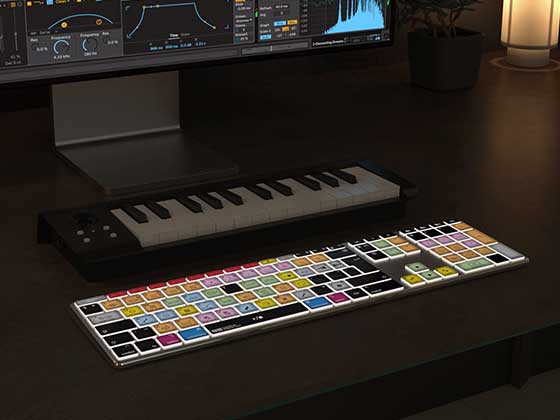
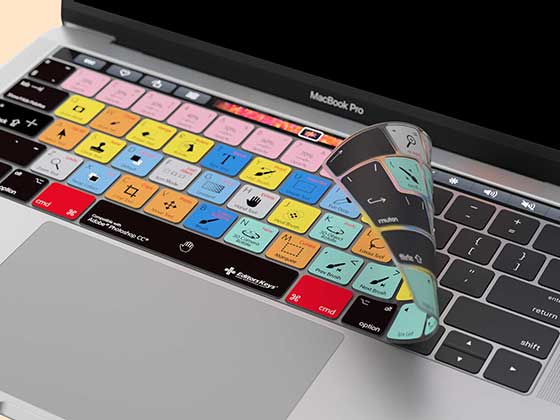
No matter which version of Cubase you use, keyboard shortcuts remain one of the fastest ways to edit, navigate and mix projects. Editors Keys produces dedicated shortcut editing keyboards and silicone keyboard covers designed specifically for Cubase users. Every important shortcut is clearly printed onto the keys, helping both beginners and experienced professionals work faster without constantly referring to menus or cheat sheets.

Whether you're trimming clips, opening windows, zooming around projects or managing automation, having the shortcuts directly beneath your fingertips can significantly reduce editing time while helping you naturally memorise the commands through everyday use.
The good news for existing customers is that Cubase's keyboard shortcuts remain largely consistent between versions. Editors Keys Cubase shortcut keyboards and keyboard covers that support Cubase 14 continue to work perfectly with Cubase 15, making them an excellent long-term investment as you upgrade your software.
Final Thoughts
Cubase 15.0.30 may not introduce groundbreaking new production features, but it represents the kind of update that many professionals appreciate most: one that quietly removes obstacles from the creative process.
From improved routing behaviour and more dependable editing tools to enhanced Direct Offline Processing and broader controller support, the update strengthens Cubase's already mature production environment.
For existing Cubase 15 users, installing the update is an easy recommendation. And for Cubase 14 users considering the jump, version 15 continues to refine the platform with smarter workflows, greater reliability and ongoing improvements that make everyday music production that little bit easier.
1 comment
Vincenzo Palumbo
interessato ad un mio progetto.
interessato ad un mio progetto.