
Video editing can involve hours of sitting at a desk, repeatedly moving a mouse, pressing keyboard shortcuts and making tiny, precise movements with your hands and wrists. When you're working towards a deadline, it can be surprisingly easy to stay in the same position for several hours without realising how much strain you're putting on your body.
Over time, this can contribute to repetitive strain injury (RSI), a general term used to describe pain and other symptoms caused by repeated movements and overuse of muscles, tendons and nerves. Editors who spend long periods using a computer are particularly susceptible to discomfort in the wrists, hands, fingers, forearms, shoulders and neck.
The good news is that there are several straightforward changes you can make to your editing setup and working habits to reduce the amount of repetitive strain placed on your body. Here's how to prevent RSI while editing videos.

1. Take Regular Breaks From Editing
One of the simplest and most effective ways to reduce the risk of RSI is to avoid working continuously for hours at a time. Even if you're completely absorbed in an edit, your hands and wrists still need opportunities to recover from repetitive movements.
Rather than waiting until your hands or wrists start hurting, build short breaks into your editing routine. Every 30–60 minutes, step away from your computer for a few minutes. Stand up, walk around, get some water or simply look away from the screen. Longer editing sessions should also include a proper break where you leave the desk completely.
These breaks give the muscles and tendons in your hands and forearms time to relax. They also encourage you to change your posture and position, which can help prevent tension building up in your shoulders, neck and back.
If you're working towards a deadline, a five-minute break might seem like lost editing time. In practice, regularly stepping away can help you return to the timeline feeling more comfortable and focused, potentially making the next hour of editing more productive.
2. Keep Your Wrists in a Neutral Position
The position of your wrists while editing can make a significant difference. Try to keep your wrists relatively straight rather than constantly bending them upwards, downwards or sideways while using your keyboard and mouse.
Your keyboard should ideally sit at a height that allows your forearms to remain roughly level with the desk. Your elbows should be comfortably close to your body, with your shoulders relaxed rather than raised or hunched.
Avoid resting your wrists heavily against the sharp edge of the desk while working. If your desk is particularly high, lowering your chair or raising your keyboard position can make your wrists bend unnecessarily. Small adjustments to your workstation can therefore make a noticeable difference over a long editing session.
You should also avoid gripping your mouse tightly. Keep your hand relaxed and use gentle movements wherever possible. Excessive tension can build up in the hand and forearm without you noticing.

3. Stretch Your Hands, Wrists and Forearms
Gentle stretching can help you break up periods of repetitive computer work and reduce the feeling of stiffness that can develop during a long editing session. Stretches should always be comfortable and controlled. Never force a joint into a painful position.
For a simple wrist and forearm stretch, extend one arm in front of you with your palm facing upwards. With your other hand, gently pull the fingers down towards the floor until you feel a mild stretch along the underside of your forearm. Hold this position for around 15–30 seconds before relaxing, then repeat on the opposite side.

You can also turn your palm downwards and gently draw your fingers towards you to stretch the other side of the wrist and forearm. Another useful movement is simply opening your hands wide, spreading your fingers apart, holding for several seconds and then relaxing them.
During a break, gently rotate your wrists in both directions and shake your hands out. These movements are particularly useful after periods of intensive shortcut use, where the same fingers may have been repeatedly pressing the same keys.
Stretching should complement regular breaks rather than being used to push through pain. If a particular movement causes pain rather than a gentle stretching sensation, stop doing it.

4. Don't Stay in the Same Position for Hours
RSI isn't only about your hands. Sitting in the same position for a long editing session can create tension throughout your entire upper body, particularly around the neck, shoulders and upper back.
Set up your chair so that your feet can rest comfortably on the floor and your knees are roughly level with, or slightly lower than, your hips. Your back should be supported and your shoulders should be relaxed rather than pulled forwards towards the screen.
Your monitor should be positioned so that you aren't constantly looking down at it. Ideally, the top portion of the display should be around eye level, allowing you to work without continually bending your neck forwards.
Most importantly, don't feel that you have to maintain one perfect posture throughout an entire editing session. Regularly changing position is valuable. Stand up, move your shoulders, walk around and reset your position before returning to the timeline.
5. Reduce Unnecessary Mouse Movements
Video editing involves a surprising amount of repetitive mouse movement. Selecting clips, dragging transitions, adjusting effects and navigating timelines can mean thousands of small movements during a large project.
Learning keyboard shortcuts can significantly reduce how much you rely on your mouse. Instead of repeatedly reaching for the mouse to perform common commands, shortcuts allow you to keep your hands closer to the keyboard and perform many editing operations with a quick key combination.
This can also make your workflow considerably faster. Once common shortcuts become familiar, you can cut, trim, navigate timelines and perform other frequent commands without constantly moving between the keyboard and mouse.
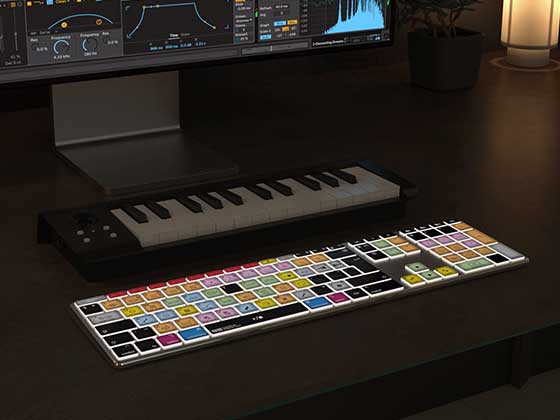
Editors Keys shortcut keyboards are designed specifically around this idea. The keys feature shortcuts mapped directly onto them for popular editing and creative software, making frequently used commands easier to identify and memorise while you're working.
6. Use a Keyboard Designed for Your Editing Workflow
A standard keyboard can make it difficult to remember which key combinations perform particular functions, especially when you're working with professional editing software containing hundreds of shortcuts.
Editors Keys shortcut editing keyboards place software shortcuts directly onto the keys, allowing you to see the commands you use while you're editing. This can reduce the amount of time spent searching through menus and help you gradually memorise the shortcuts you use most frequently.
For editors who work late into the evening, the AB10 Air Wireless Backlit Shortcut Editing Keyboard combines shortcut-labelled keys with backlighting and wireless connectivity. This makes it particularly useful for editing environments where you want a clean desk setup without sacrificing visibility.
The AB10 Core Wired USB-C Backlit Shortcut Editing Keyboard provides the same shortcut-focused approach in a wired format. Its USB-C connection makes it a straightforward option for editors who prefer a direct connection to their computer and don't need a wireless keyboard.
7. Consider a Silicone Shortcut Keyboard Cover
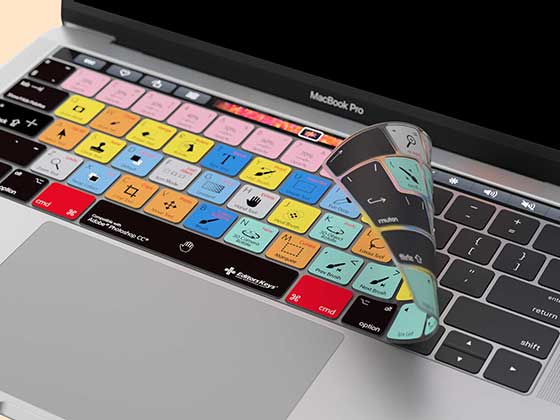
If you already have a keyboard you like, you don't necessarily need to replace it. Editors Keys also produces silicone keyboard covers that place software-specific shortcuts directly over your existing keys.
These covers can make commonly used commands much easier to identify, helping you rely less on the mouse and reducing the amount of time spent looking through menus. They are available for a range of popular video and audio editing applications, making it easier to tailor your workstation around the software you use every day.
The silicone design also provides a physical layer over the keyboard, which can be useful for protecting the keys from dust, dirt and the occasional spill during long editing sessions.
8. Pay Attention to Early Warning Signs
One of the biggest mistakes an editor can make is ignoring discomfort because they have a deadline to meet. RSI symptoms can include aching, stiffness, tenderness, tingling, numbness, weakness or burning sensations in the hands, wrists, forearms and other areas affected by repetitive computer use.
If you notice discomfort developing during editing, take it seriously rather than simply working through it. Stop for a while, move around and consider whether your workstation, mouse position, keyboard height or working habits could be contributing to the problem.
If symptoms persist, become severe, or interfere with normal activities, it's sensible to seek professional medical advice rather than attempting to diagnose or treat the problem yourself.
Create a More Comfortable Editing Workflow
Preventing RSI while video editing largely comes down to reducing repetitive strain and giving your body regular opportunities to move and recover. Take frequent breaks, keep your wrists in a neutral position, adjust your desk and monitor height, stretch gently and avoid spending an entire day in exactly the same position.
Learning keyboard shortcuts is another useful part of the equation. By moving frequently performed editing commands away from the mouse and onto the keyboard, you can create a more efficient workflow while reducing unnecessary mouse movements.
Editors Keys shortcut keyboards and silicone keyboard covers are designed to make those shortcuts easier to learn and use. With the commands printed directly onto the keys, you can spend less time searching through menus and more time concentrating on your edit.
For professional editors and anyone who regularly spends long hours in front of a timeline, building a comfortable and efficient workstation is one of the best investments you can make in your editing workflow.