
The DJI Pocket 3 quickly became one of the most popular compact cameras ever released for content creators, vloggers and filmmakers. Its combination of stabilisation, image quality and genuinely pocket-sized portability made it an instant favourite for travel videos, YouTube content and cinematic B-roll.
Now, with the arrival of the DJI Pocket 4, creators are asking the obvious question: is the Pocket 4 really that much better, or is the Pocket 3 still the smarter buy?
After comparing both cameras side-by-side in studio conditions, daylight scenes and low-light environments, the answer is actually more nuanced than you might expect. The Pocket 4 is undoubtedly the more refined camera, but the Pocket 3 still remains an incredibly capable little filmmaking tool that continues to punch far above its price point.
One-click cinematic colour grades for DJI D-LOG footage

First Impressions: The Footage Looks Surprisingly Similar
One thing that becomes obvious almost immediately when comparing the Pocket 3 and Pocket 4 is just how close they are in overall image quality.
In standard picture profiles, both cameras produce sharp, stabilised and highly usable footage straight out of camera. For casual users filming YouTube videos, travel content or quick social media clips, the difference is often subtle enough that many viewers would struggle to tell them apart unless the footage was shown side-by-side.
Both cameras were tested using similar settings, including manual white balance and LOG profiles. The Pocket 3 was filmed in D-LOG M, while the Pocket 4 used full D-LOG. Neither camera used ND filters, giving a realistic idea of what most creators can expect during day-to-day shooting.
Straight away, the Pocket 4 appears slightly warmer in colour tone. Skin tones also look softer and more natural, whereas the Pocket 3 can occasionally lean slightly green in certain lighting conditions. The difference is not dramatic, but it does give the Pocket 4 a more polished and cinematic appearance.
For talking head videos, interviews and studio content, the Pocket 4 simply feels a little more refined.

The Biggest Upgrade: Full D-LOG on the Pocket 4
The most significant technical improvement on the Pocket 4 is the move from D-LOG M to full D-LOG.
For creators who enjoy colour grading, this is a major upgrade. The Pocket 4 captures noticeably more dynamic range, giving editors more flexibility when recovering highlights, lifting shadows and creating cinematic colour grades in post-production.
When filming scenes with bright skies and darker foregrounds, the Pocket 4 consistently retains more detail. Clouds maintain texture instead of clipping, while shadows hold onto subtle information that would otherwise disappear.
The Pocket 3 still performs extremely well here, especially considering its size and price, but the Pocket 4 gives editors more room to push footage creatively during the grading process.

This becomes especially useful for creators shooting:
cinematic travel videos
documentaries
client work
outdoor YouTube content
sunset or sunrise footage
street scenes at night
The extra flexibility in full D-LOG makes the Pocket 4 feel more like a professional filmmaking tool than simply a high-end vlogging camera.
Pocket 4 Skin Tones Feel More Cinematic
One of the more subtle differences between the two cameras is how they render people.
The Pocket 4 produces a softer, warmer image that many creators will probably prefer immediately. There is a smoother, more natural look to faces that gives footage a more filmic appearance overall.
The Pocket 3 still looks fantastic, but it can appear slightly harsher and cooler by comparison. The Pocket 4 feels closer to the softer rendering often associated with Canon cameras, which many videographers tend to favour for portrait and talking head work.
This isn't about sharpness. Both cameras are sharp. It is more about colour science and how the image feels emotionally.
That softer rendering helps the Pocket 4 footage appear more cinematic without requiring heavy grading.
Daylight Performance: Very Close Between Both Cameras
In bright daylight, the two cameras are remarkably close.
Walking shots, travel footage and outdoor scenes all look excellent on both models. Stabilisation remains one of the strongest features of the Pocket series, and both cameras do an impressive job of smoothing movement while maintaining natural motion.
The biggest difference outdoors appears in difficult lighting conditions. When shooting scenes with strong sunlight and darker shadows, the Pocket 4 retains more detail across the image. Highlights roll off more smoothly and shadow areas contain more information.
Again, this is not a night-and-day difference. The Pocket 3 still looks excellent. But when viewed carefully, especially on larger displays, the Pocket 4 footage has a little more depth and flexibility.

Low-Light Performance: Better, But With One Important Caveat
The Pocket 4 also improves low-light performance, particularly when filming in standard picture profiles.
Night footage appears cleaner overall, with better detail retention in darker areas. Street lights, reflections and nighttime city scenes look more controlled and cinematic on the newer camera.
However, there is one interesting limitation when filming in full D-LOG.
Because the Pocket 4's D-LOG mode starts at ISO 400, it can actually introduce slightly more visible grain in darker scenes compared to the Pocket 3 shooting in D-LOG M. The difference is not huge, but creators who shoot heavily at night may notice additional noise, especially when using the 2x zoom.
This means the Pocket 4 is technically the stronger low-light camera overall, but it also requires slightly more care depending on how you shoot and grade your footage.
The Pocket 4 Improves Workflow in Small But Important Ways
One area where the Pocket 4 quietly becomes much more enjoyable to use is workflow.
Battery life appears noticeably improved compared to the Pocket 3. During longer shooting sessions, the Pocket 4 retained significantly more charge, making it a more dependable option for all-day filming.
The ability to zoom while actively recording is another surprisingly useful addition. On the Pocket 3, zooming can interrupt the shooting process, whereas the Pocket 4 allows creators to continue filming while adjusting framing. For travel creators and run-and-gun shooters, this makes the camera feel much smoother and faster to operate.
Transfer speeds are also substantially improved. The Pocket 4 supports transfer speeds of roughly 800 Mbps, meaning footage can be moved onto a Mac or PC extremely quickly via USB-C.
For creators regularly editing 4K footage in Final Cut Pro or Adobe Premiere Pro, this genuinely saves time during daily editing workflows.

Editing DJI Pocket 4 Footage with Editors Keys LUTs
One of the biggest advantages of filming in D-LOG is the ability to fully customise the final look of your footage.
Straight out of camera, D-LOG footage appears flat, grey and low contrast. That is completely normal. The purpose is to preserve as much image data as possible so you can colour grade it later.
The Editors Keys DJI D-LOG Pocket 4 LUT Pack is designed specifically to make this process fast and simple.

Instead of spending hours manually adjusting colours and contrast, creators can simply drag and drop a LUT onto their footage to instantly achieve a more cinematic look. The LUTs enhance colour, improve contrast and help bring out the full dynamic range captured by the Pocket 4.
Because the Pocket 4 captures more highlight and shadow information than the Pocket 3, these LUTs look especially impressive on Pocket 4 footage. Skies retain more detail, shadows feel richer and skin tones maintain a softer, more cinematic appearance.
For creators producing YouTube videos, travel films, client projects or social media content, this can massively speed up the editing process while still delivering professional-looking results.
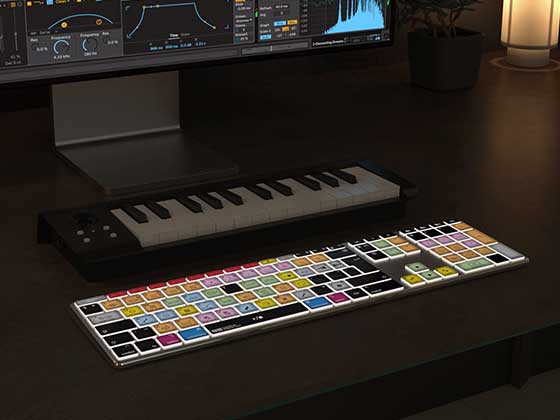
The LUTs work perfectly alongside the Editors Keys Final Cut Pro Backlit Keyboard and other editing keyboards available from Editors Keys, helping editors work faster and streamline their entire workflow.
Is the Pocket 4 Worth Upgrading To?
If you already own the Pocket 3, there is no urgent reason to rush out and upgrade immediately.
The Pocket 3 is still one of the best compact creator cameras ever released. It remains incredibly versatile, highly portable and capable of producing stunning cinematic footage.
The Pocket 4 does improve almost every area slightly, but the differences are mostly refinements rather than revolutionary changes. You notice the better skin tones, improved dynamic range, stronger battery life and workflow improvements most clearly when using the cameras side-by-side.

For existing Pocket 3 owners, storytelling, composition and editing will still matter far more than the differences between the cameras themselves.
However, if you are buying your first Pocket camera and your budget allows for it, the Pocket 4 is undoubtedly the stronger overall option.
Its improved D-LOG performance, warmer colour science, better dynamic range and refined usability features make it the most polished Pocket camera DJI has released so far.
Final Verdict
The Pocket 3 remains an outstanding camera in 2026 and continues to offer incredible value for money. At its current pricing, it is still one of the easiest cameras to recommend for creators wanting cinematic footage without carrying around heavy camera gear.
The Pocket 4, however, takes that formula and refines it in almost every area. It delivers a slightly more cinematic image, more grading flexibility, better workflow performance and stronger low-light capability.
The differences are subtle, but for serious creators, subtle improvements are often the ones that matter most over time. Whichever camera you choose, both prove that genuinely pocket-sized cameras are now capable of producing stunning professional-quality footage almost anywhere.
One-click cinematic colour grades for DJI Pocket 4 D-LOG footage
Be sure to check out our full youtube review of the DJI Pocket 3 and Pocket 4 cameras below!