
Choosing the right audio interface is one of the most important decisions you can make when building a home recording studio. Whether you record guitar riffs, vocals, bass, synthesizers, podcasts or a complete band, an audio interface connects your equipment to your computer and converts analogue audio into a digital signal that your recording software can work with. It also converts audio from your computer back into a signal that you can hear through studio monitors or headphones.
The best audio interface for your home studio depends on what you intend to record, how many instruments you need to connect at once, the quality of its microphone preamps and whether you need additional features such as MIDI connectivity, extra headphone outputs or digital expansion. You should also consider how the interface is powered, particularly if you want to keep your recording setup portable or avoid adding another mains-powered device to your studio.
In 2026, there are several excellent USB audio interfaces available for musicians and producers, ranging from affordable two-input models to more advanced options designed to grow alongside your recording setup. Here are five worth considering, with their key specifications, advantages and disadvantages to help you decide which is right for your needs.

1. Focusrite Scarlett 2i2 4th Generation – Best All-Round Audio Interface
The Focusrite Scarlett 2i2 4th Generation is one of the strongest choices for musicians building their first home studio, as well as experienced producers who want a dependable, straightforward recording interface. Its combination of two microphone preamps, instrument inputs, useful automatic gain features and compact USB-powered design makes it suitable for a wide range of recording tasks. You can record vocals and guitar simultaneously, connect two microphones for an interview or acoustic performance, or plug in a guitar and bass to record separate takes.
The Scarlett 2i2 provides two microphone preamps with up to 69dB of gain, alongside two front-panel 6.35mm jack connections that accept instrument or line-level signals. Its two rear-panel XLR connections are designed for microphone inputs, while the front-panel jack inputs can be used for electric guitars, bass guitars, keyboards and other suitable line-level equipment. It supports recording at up to 24-bit/192kHz, which is more than sufficient for professional-quality music production.

One of its biggest advantages is its collection of recording-assistance features. Auto Gain helps establish an appropriate recording level, while Clip Safe monitors the input and helps prevent unwanted clipping. The AIR mode offers a brighter, more forward microphone sound inspired by Focusrite's ISA preamps. These features can be particularly useful when recording at home without a dedicated recording engineer.
The interface also provides 48V phantom power for compatible condenser microphones. This is important if you plan to record detailed vocals, acoustic instruments or other sources using a studio condenser microphone. Phantom power is supplied through the XLR microphone connections rather than the instrument jack inputs.
The Scarlett 2i2 is USB bus-powered, meaning it normally takes its power directly from your computer over USB-C without requiring a separate mains adaptor. It includes two balanced jack outputs for studio monitors and one headphone output, making it easy to create a compact recording setup. However, it does not offer dedicated MIDI DIN connections or additional analogue microphone inputs, so you will need another interface or an external preamp with suitable expansion if your recording requirements grow.
Pros: Straightforward operation, two good-quality microphone preamps, 48V phantom power, automatic gain assistance, AIR mode, USB power and a comprehensive software bundle.
Cons: Only two analogue inputs, one headphone output and no built-in MIDI DIN connections. The 48V supply applies to both microphone inputs together, rather than offering independent phantom-power switching for each channel.
Typical UK price: Around £150–£200, depending on the retailer and current offers.
The Scarlett 2i2 is an excellent starting point if you want to record guitar, bass and vocals without spending a fortune. It offers a useful balance of sound quality, ease of use and recording features, although musicians who regularly record several microphones simultaneously may prefer an interface with more inputs.
2. Universal Audio Volt 2 – Best for a Classic Recording Character
The Universal Audio Volt 2 is a compact USB audio interface aimed at musicians and producers who want straightforward recording with some additional tonal character. It is particularly appealing if you record vocals, guitars, bass and synthesizers at home and want an interface that combines conventional audio connectivity with an optional analogue-inspired sound.
The Volt 2 has two microphone preamps and two combination XLR/jack inputs. Each input can accept an XLR microphone connection or a suitable 6.35mm jack signal, making it possible to record two microphones, two instruments or a combination of sources simultaneously. It supports recording at up to 24-bit/192kHz on the original model, while the newer Volt 2 Gen 2 offers 32-bit conversion specifications. Check the exact generation before purchasing, as features and specifications differ.

A key feature is its Vintage preamp mode, which adds a tonal character inspired by Universal Audio's classic 610 valve microphone preamp. This can give vocals and instruments a little extra warmth and presence, depending on the source and settings. It is an optional colouration feature rather than something you need to use on every recording, so you can still record clean signals when you prefer to shape the sound later with plugins.
The Volt 2 provides 48V phantom power, allowing you to use compatible condenser microphones. The original Volt 2 also includes a compressor-inspired 76 mode, based on the sound of Universal Audio's 1176 compressor, which can help control dynamics while recording. This is a particularly useful feature for vocalists who want a more controlled sound before their signal reaches their recording software. The original model's 76 compressor is a hardware recording feature; it should not be confused with simply loading an 1176 plugin after recording.
The interface is USB bus-powered, so it can run from a suitable computer USB connection without a dedicated mains power supply. It includes balanced monitor outputs, one headphone output and USB connectivity, but it does not have built-in MIDI DIN ports or optical digital inputs. The accompanying Universal Audio software bundle can also add considerable value, with recording software and a selection of effects and instruments depending on the model, bundle and current promotion.
Pros: Two combination inputs, 48V phantom power, optional Vintage preamp character, useful compression on the original Volt 2, USB-powered operation and a strong software bundle.
Cons: Limited to two analogue inputs, only one headphone output and no dedicated MIDI DIN connectivity. The extra tonal features will be less important if you prefer a completely clean recording path and plan to use software processing exclusively.
Typical UK price: Around £150–£220, depending on the generation and retailer.
The Volt 2 is worth considering if you want an easy-to-use interface with some recording character built in. It is especially appealing to solo artists, singer-songwriters and producers who want to experiment with a more polished sound while tracking, although its two-input design may become restrictive if you start recording full drum kits or several musicians together.
3. Audient iD14 MKII – Best for Expanding a Home Studio
The Audient iD14 MKII is a particularly attractive option for musicians who want high-quality microphone preamps, strong headphone monitoring and the ability to expand their recording setup later. It is well suited to guitarists, electronic music producers and home recording enthusiasts who may eventually want to connect additional microphone preamps or record more sources at once.
The interface has two analogue inputs: two combination XLR/jack connections, with microphone preamps and instrument-level connectivity. It supports recording at up to 24-bit/96kHz and provides 48V phantom power for condenser microphones. Audient's microphone preamps are designed to deliver a clean, detailed signal, while the dedicated JFET instrument input offers a suitable connection for electric guitar and bass.
One of the most useful features is its optical input, which supports ADAT digital expansion. At 44.1kHz or 48kHz, you can add up to eight channels of digital input using a compatible external preamp or converter. At higher sample rates, the number of available ADAT channels decreases. This means that although the iD14 MKII starts with only two analogue inputs, it can form the centre of a considerably larger recording setup without requiring you to replace the interface immediately.

The iD14 MKII also provides four line outputs and two headphone connections, allowing more flexibility when monitoring recordings. Its powerful headphone amplifier is useful if you work with higher-impedance studio headphones, and the large central volume encoder provides convenient control over your listening levels. The software mixer includes low-latency monitoring, routing options and loopback functionality, which can be helpful when recording computer audio or creating content alongside music production.
Power is supplied through USB-C, with a suitable USB 3.0 connection or compatible USB-C port providing the necessary current. There is no separate mains adaptor required for normal operation, and the interface supports full 48V phantom power when connected to an appropriate USB power source. It does not include built-in MIDI DIN connections, so synthesizer players who need traditional MIDI hardware connectivity will require a separate MIDI interface or a USB connection from their instrument.
Pros: Two quality microphone preamps, 48V phantom power, ADAT expansion, four line outputs, two headphone connections, useful monitoring software and USB-powered operation.
Cons: Only two built-in analogue inputs, no dedicated MIDI DIN ports and a higher price than many entry-level two-input interfaces. ADAT expansion also requires compatible external hardware, which adds to the overall cost.
Typical UK price: Around £170–£220, depending on availability and retailer.
The Audient iD14 MKII is a strong choice if you value sound quality and want room to expand. It is particularly sensible for a guitarist who may eventually add external microphone preamps, or a producer who wants more monitoring flexibility without immediately investing in a larger rack-style interface.
4. MOTU M2 – Best for Accurate Metering and MIDI Connectivity
The MOTU M2 is an excellent option for musicians who want reliable recording performance, clear level monitoring and traditional MIDI connectivity in a compact interface. It is particularly appealing to electronic music producers, synthesiser players and guitarists who want a straightforward interface without sacrificing useful studio features.
The M2 features two combination XLR/TRS inputs, each with its own preamp gain control and 48V phantom-power switch. You can connect condenser microphones, dynamic microphones, electric guitars, bass guitars, synthesizers and other line-level sources, provided you select the appropriate input mode. The interface supports recording at up to 24-bit/192kHz and offers independent input monitoring controls for both channels.

One of the MOTU M2's standout features is its full-colour LCD meter display. Rather than relying exclusively on small indicator lights, you can see the incoming and outgoing signal levels clearly on the front panel. This is especially useful when recording loud guitar amplifiers, drums or vocals, as it helps you identify clipping before it becomes a problem in your recording software.
The M2 also includes MIDI IN and MIDI OUT connections, making it particularly useful for anyone working with hardware synthesisers, drum machines or MIDI-equipped keyboards. You can send MIDI notes and performance data between your computer and compatible instruments without needing a separate MIDI interface. Its rear panel provides balanced TRS monitor outputs alongside additional unbalanced RCA outputs, offering some flexibility when connecting speakers or other equipment.
The interface is USB bus-powered, so it does not require a separate mains power supply for normal operation. It also supports loopback functionality, which can be useful for capturing computer audio alongside a microphone or instrument. However, it has just two analogue inputs and one headphone output, so recording a full drum kit or several musicians simultaneously will require additional hardware.
Pros: Clear colour LCD metering, two combination inputs, individual 48V phantom-power switches, MIDI IN/OUT, balanced monitor outputs, RCA outputs and USB-powered operation.
Cons: Only two analogue inputs, one headphone output and no optical digital expansion. Its feature set is excellent for a compact interface, but the limited input count may become restrictive for larger recording sessions.
Typical UK price: Around £150–£200, depending on the retailer and current offers.
The MOTU M2 is worth serious consideration if you use hardware synthesizers or want particularly clear visual feedback when setting recording levels. Its MIDI connections and comprehensive monitoring make it a versatile choice for a home studio, especially if your setup includes both computer-based production and physical instruments.
5. SSL 2 MKII – Best for Analogue Character and Monitoring
The Solid State Logic SSL 2 MKII is a compelling choice for musicians and producers who want a high-quality recording interface with additional monitoring flexibility and optional analogue tonal enhancement. SSL is well known for its professional recording consoles, and this compact interface incorporates features inspired by that studio heritage.
The SSL 2 MKII offers two microphone preamps with two rear-panel XLR combination inputs, accepting microphone and line-level signals. Dedicated front-panel jack inputs allow you to connect guitars and basses directly. The interface supports recording at up to 32-bit/192kHz and includes 48V phantom power that can be switched independently for each microphone input.
One of its defining features is the Legacy 4K analogue enhancement circuit. Inspired by SSL's classic 4000-series consoles, this switchable circuit adds harmonic distortion and a high-frequency boost to help give vocals, guitars and other sources a more forward, characterful sound. You can leave it switched off when you want a clean recording, then engage it when you want additional presence while tracking.

The SSL 2 MKII also includes dedicated high-pass filters for its inputs, helping remove unwanted low-frequency rumble from recordings. Its monitor mix control allows you to balance the direct input signal against audio returning from your computer, making it easier to monitor your performance with minimal latency. Two headphone outputs are provided, although both share the same mix and level settings rather than offering independent cue mixes.
Connectivity includes two balanced monitor outputs, stereo loopback for capturing computer audio, and DC-coupled outputs that can be useful when working with compatible modular synthesisers and control-voltage equipment. The interface is USB bus-powered and requires no separate mains adaptor. It does not, however, include traditional MIDI DIN connections or optical digital inputs.
It is important to distinguish the SSL 2 MKII from the SSL 2+ MKII. The latter adds further balanced outputs, independently controlled headphone outputs and MIDI connectivity, so it may be worth the extra expense if you regularly collaborate with other musicians or use external hardware.
Pros: Two high-quality microphone preamps, independent 48V phantom power, Legacy 4K analogue enhancement, high-pass filters, two headphone outputs, low-latency monitoring and USB-powered operation.
Cons: Only two analogue inputs, no built-in MIDI DIN connections and no optical expansion. The two headphone outputs share the same mix and level controls, which limits their usefulness when two performers need different monitoring mixes.
Typical UK price: Around £170–£230, depending on the retailer and current offers.
The SSL 2 MKII is a strong option for musicians who value recording quality and want the ability to add analogue-inspired character at the input stage. It is particularly suitable for vocalists, guitarists and producers who record one or two sources at a time, while the SSL 2+ MKII is worth considering if you need more outputs or MIDI connectivity.
Which audio interface should you choose for your home studio?
All five interfaces are capable of producing high-quality recordings, so the most sensible choice depends on how you work rather than simply which model has the highest specifications.
If you are starting from scratch and want a straightforward interface for vocals, guitar and bass, the Focusrite Scarlett 2i2 is an excellent all-rounder. The Universal Audio Volt 2 is worth considering if you like its optional Vintage preamp mode and, on the original model, its built-in compressor. If you want a more expandable recording setup, the Audient iD14 MKII offers optical digital inputs that can accommodate additional microphone preamps in the future.
For electronic musicians who use hardware synthesisers and need traditional MIDI connectivity, the MOTU M2 is particularly appealing. Meanwhile, the SSL 2 MKII provides useful analogue tonal enhancement, high-quality monitoring and two headphone connections, making it a strong choice for recording vocals and instruments at home.
Before purchasing, consider how many sources you need to record simultaneously. Two inputs are sufficient for a singer-songwriter recording vocals and guitar together, or a producer recording a synthesiser in stereo. However, recording a drum kit with several microphones, capturing a full band live or tracking multiple musicians simultaneously may require four, eight or more microphone inputs.
It is also worth remembering that a higher sample rate does not automatically make an interface sound better in everyday use. All five models offer recording specifications that are more than adequate for most home studio projects. Microphone quality, room acoustics, gain staging, instrument performance and mixing decisions will usually have a greater impact on the finished recording than the difference between these interfaces.
Improve your recording and editing workflow with Editors Keys
Once your audio interface is connected, your digital audio workstation becomes the centre of your recording process. Whether you use Logic Pro, Ableton Live, Pro Tools, Cubase or another DAW, learning keyboard shortcuts can make recording, editing and mixing considerably more efficient.
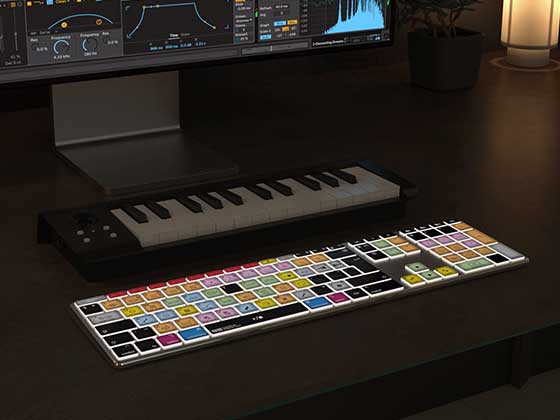
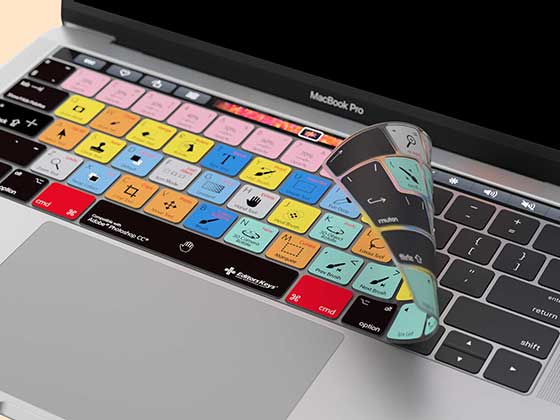
Editors Keys offers specialist shortcut editing keyboards and silicone keyboard covers featuring shortcuts mapped directly onto the keys for supported creative software. Rather than repeatedly searching menus for commands, you can see the relevant shortcuts as you work, helping you learn them through regular use and spend less time navigating your software.

The AB10 Air wireless backlit shortcut editing keyboard provides wireless connectivity, backlighting and a dedicated shortcut layout, making it a convenient choice for a home studio where desk space and cable management matter. The AB10 Core Wired USB-C Backlit shortcut editing keyboard offers a wired alternative with USB-C connectivity and backlit keys, ideal if you prefer a direct connection to your computer.
Editors Keys also produces silicone shortcut keyboard covers for compatible keyboards. These covers display the shortcuts for supported applications directly on the keys, helping you memorise commands while protecting the keyboard from dust and light spills. They are a practical option if you would rather keep using your existing keyboard than replace it with a dedicated editing model.
For audio producers, faster access to commands for recording, trimming, splitting, arranging and navigating a session can make a noticeable difference when working through a large project. Combined with a dependable audio interface, a well-organised shortcut workflow helps you concentrate on performances, sound selection and creative decisions rather than repeatedly reaching for menus.
Explore the full range of Editors Keys shortcut editing keyboards and silicone keyboard covers at EditorsKeys.com and find a setup that suits your recording and production workflow.
Final thoughts
A good audio interface should make recording easier, provide the connections you need and offer dependable performance throughout your projects. The Focusrite Scarlett 2i2, Universal Audio Volt 2, Audient iD14 MKII, MOTU M2 and SSL 2 MKII each offer a slightly different balance of features, connectivity and price.
Take the time to consider your current equipment, the number of instruments you record at once and whether features such as MIDI connectivity or digital expansion will be useful in the future. Buying an interface that fits your actual workflow is a better investment than paying for specifications you are unlikely to use.