
Artificial Intelligence has transformed music production over the past few years, and one of the biggest developments has been stem separation. What once required access to original multitrack recordings can now be achieved in seconds using modern AI-powered tools built directly into many of today's leading DAWs.
Whether you're creating remixes, producing mashups, sampling vintage recordings, isolating vocals for practice sessions, or repairing problematic mixes, stem separation has become one of the most powerful tools available to modern producers. But which DAW offers the best stem separation in 2026?
What Is Stem Separation?
Traditionally, a "stem" refers to a grouped audio export from a mix.
For example:
-
Vocal stem
-
Drum stem
-
Bass stem
-
Guitar stem
-
Keyboard stem
When producers receive stems from a mix engineer, each group can be adjusted independently without access to the original project. The challenge has always been that if you only had a finished stereo file, separating those elements was almost impossible.

Modern stem separation changes this.
Using advanced machine learning models, software can analyse a stereo audio file and identify different musical elements, then split them into separate audio tracks.
Most systems currently separate audio into:
-
Vocals
-
Drums
-
Bass
-
Other instruments
Some more advanced systems can identify:
-
Guitar
-
Piano
-
Strings
-
Synths
-
Backing vocals
-
Dialogue
-
Sound effects
This technology has rapidly become one of the most useful features in music production.
How Does AI Stem Separation Work?
Modern stem separation relies on machine learning and neural network models trained on millions of audio examples.
Developers feed these systems vast collections of multitrack recordings where the AI can "hear" individual instruments separately and learn their characteristics.
The AI learns:
-
Vocal frequencies
-
Drum transients
-
Bass harmonics
-
Guitar textures
-
Synth timbres
-
Instrument interactions
When a mixed song is analysed, the model identifies patterns it recognises and predicts which sounds belong to each source. The result is multiple new audio files containing isolated stems. Research into modern source separation systems has expanded well beyond traditional vocal, drum and bass extraction, with newer models capable of identifying increasingly specific instruments and sub-stems.
While the results aren't always perfect, today's AI-powered tools are dramatically better than anything available just a few years ago.

Why Producers Use Stem Separation
Stem separation has become useful for a huge range of workflows.
Remix Production
One of the most popular uses for stem separation is creating remixes. Producers can extract the vocal from an existing song and build an entirely new arrangement around it, without needing access to the original multitrack recordings.
This allows artists and DJs to experiment with different genres, tempos and production styles while retaining key elements of the original track.
Sampling
Stem separation is a powerful tool for sampling. Instead of sampling an entire recording, producers can isolate specific elements such as drums, basslines, guitar riffs or vocal phrases.
This provides greater flexibility when creating new music and makes it easier to work with sounds that may otherwise be buried within a busy mix.
Learning Songs
Musicians and music students often use stem separation to study individual performances more closely. By isolating a particular instrument or vocal part, it becomes much easier to hear exactly what is being played.
This can be particularly useful for learning difficult guitar parts, basslines, drum grooves or vocal harmonies that may be difficult to pick out in a full mix.
Mix Repair
Stem separation can also be useful when working with older projects or stereo mixes where the original session files are no longer available.
By separating the audio into individual elements, producers can make targeted adjustments to vocals, drums or instruments, helping to improve balance and clarity without having access to the original multitrack recordings.
Content Creation
Video editors, podcasters, DJs and content creators regularly use stem separation in their workflows. It can be used to create instrumental versions of songs, remove vocals from backing tracks or isolate specific elements for use in videos and podcasts.
Many DJs also use stem separation during live performances, allowing them to mute or manipulate individual parts of a track for more creative mixes and transitions.
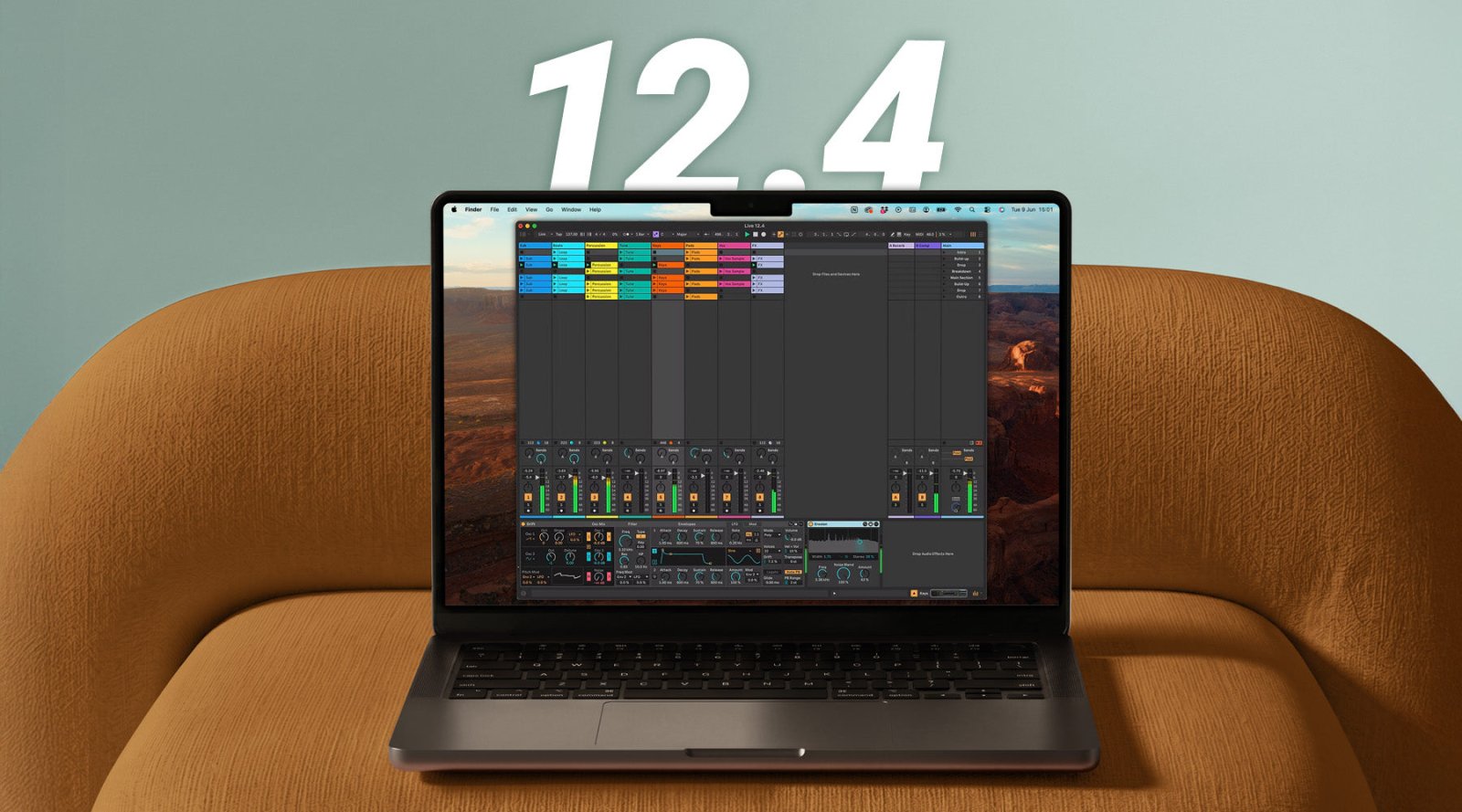
Ableton Live 12.4 Stem Separation
Ableton introduced stem separation in Live 12.3 and has continued improving it through Live 12.4. The system uses machine learning to extract vocals, drums, bass and other elements directly within the DAW.
Recent updates have improved processing speed by allowing Ableton to process only the audible portion of a clip rather than the entire source file. Users can also separate only selected sections of audio, reducing waiting times significantly.
Strengths
-
Fast workflow integration
-
Built directly into the arrangement view
-
Excellent for remixing and sampling
-
Works seamlessly with Ableton's creative tools
-
High Quality and High Speed processing modes available
Weaknesses
-
Limited to four stems
-
Available only in Live Suite
-
Some artefacts can remain in complex material
Community feedback has generally been very positive, with many users praising the quality and speed of the implementation.
Verdict
For electronic producers, remix artists and sample-based musicians, Ableton offers one of the most convenient stem separation workflows available today.

Logic Pro
Logic Pro's Stem Splitter has become one of the standout features within Apple's DAW.
Unlike many competitors, Logic can separate up to six stems, providing more flexibility than the typical four-stem approach. Independent testing by MusicRadar ranked Logic Pro 11.2 among the strongest performers for accuracy and recognition quality.
Strengths
-
Excellent vocal extraction
-
Very clean instrument recognition
-
Supports more stem categories than many competitors
-
Tight integration with Apple Silicon hardware
Weaknesses
-
Mac only
-
Less suitable for Windows users
-
Some processing limitations on older machines
Verdict
Logic currently delivers some of the best built-in stem separation quality available in a mainstream DAW.

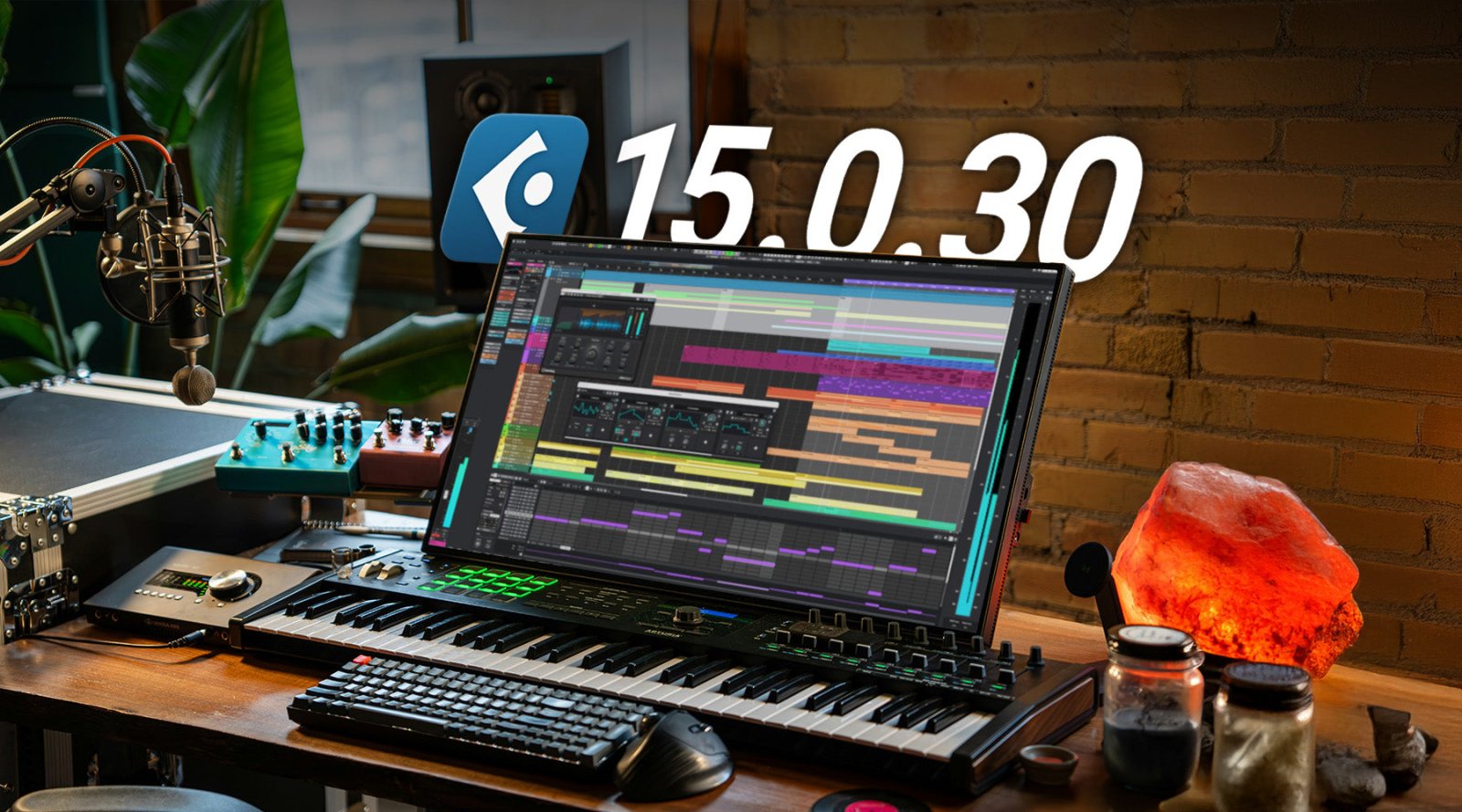
Cubase 15
Steinberg introduced native AI-powered stem separation in Cubase 15, allowing users to split tracks into vocals, drums, bass and other stems directly inside the software.
Cubase also benefits from deep integration with Steinberg's SpectraLayers technology, which provides more advanced spectral editing and source separation capabilities.
Strengths
-
Native stem separation
-
SpectraLayers integration
-
Excellent editing tools
-
Strong for professional production environments
Weaknesses
-
Native separation quality can vary depending on source material
-
Advanced workflows may require additional Steinberg products
Verdict
Cubase offers one of the most powerful overall ecosystems for stem manipulation, particularly when combined with SpectraLayers.

Fender Studio Pro (Formerly Studio One)
Following Fender's acquisition and rebranding efforts, Studio One has evolved into Fender Studio Pro.
The platform includes native AI-powered stem separation capable of extracting vocals, drums, bass and other elements directly inside the DAW.
Strengths
-
Fast integrated workflow
-
Included with the software
-
Simple one-click operation
-
Excellent project organisation
Weaknesses
-
Four-stem limitation
-
Quality generally trails the best-performing systems
Verdict
Fender Studio Pro offers a practical and highly accessible stem separation workflow that suits most producers.
Pro Tools
Despite remaining the industry standard for recording and post-production, Pro Tools still does not include native AI stem separation. Users must rely on third-party solutions such as iZotope RX or external AI services.
Strengths
-
Industry-standard editing tools
-
Excellent post-production workflow
-
Strong compatibility with professional studios
Weaknesses
-
No built-in stem separation
-
Requires additional software
-
Less convenient than competitors
Verdict
For stem separation specifically, Pro Tools currently falls behind the competition.

Which DAW Has The Best Stem Separation In 2026?
If we rank purely on stem separation quality and usefulness:
1. Logic Pro
Excellent extraction quality, multiple stem categories and outstanding accuracy make Logic the current leader. Independent testing has consistently placed Logic among the strongest performers available.
2. Ableton Live 12.4
Ableton offers one of the fastest and most intuitive workflows for remixing and creative production. Recent updates have significantly improved processing efficiency.
3. Cubase 15
Steinberg's combination of native stem separation and SpectraLayers integration creates an extremely powerful environment for advanced users.
4. Fender Studio Pro
Simple, effective and increasingly capable, making it an excellent option for everyday producers.
5. Pro Tools
Still excellent for professional recording and editing, but currently lacking native AI stem separation.
Speed Up Your Workflow With Editors Keys Shortcut Keyboards
Whether you're separating stems in Ableton Live, Logic Pro, Cubase, Pro Tools or Fender Studio Pro, efficiency matters.
The more time you spend searching through menus, the less time you spend creating music.
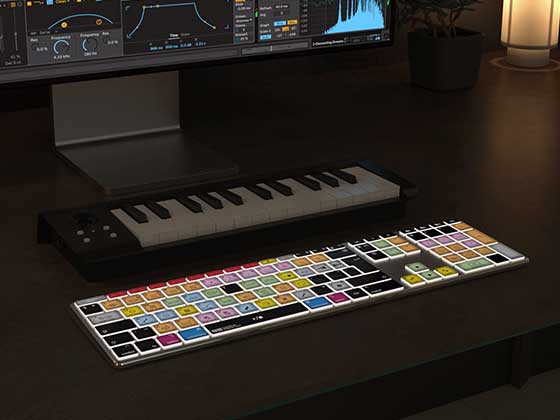
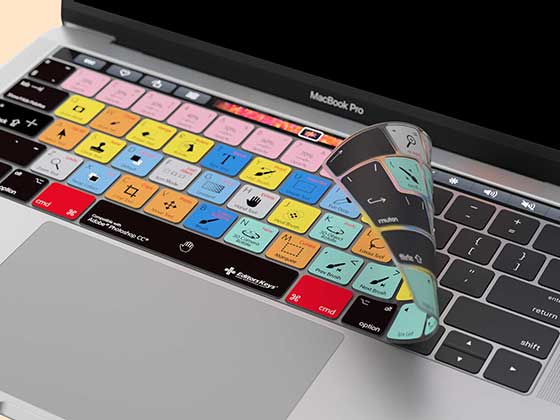
Editors Keys shortcut keyboards and keyboard covers are designed specifically for professional music producers and editors. Every key is clearly labelled with the most important shortcuts for your chosen DAW, helping you learn commands faster while dramatically reducing editing time.
Benefits include:
-
Faster navigation
-
Improved editing speed
-
Reduced reliance on menus
-
Easier shortcut memorisation
-
Better long-term productivity
For beginners, they provide a visual learning tool that accelerates mastery of your DAW. For experienced professionals, they offer a faster and more efficient workflow during demanding production sessions.
Whether you're editing stems, arranging tracks, mixing vocals or producing your next release, Editors Keys shortcut keyboards help keep your hands on the keyboard and your focus on the music.
Final Thoughts
AI-powered stem separation has quickly evolved from a novelty into an essential production tool.
In 2026, Logic Pro currently offers the strongest overall stem separation quality, while Ableton Live provides arguably the most creative workflow. Cubase delivers exceptional flexibility through SpectraLayers integration, Fender Studio Pro offers impressive accessibility, and Pro Tools continues to rely on external solutions.
Whichever DAW you use, stem separation is becoming an increasingly important part of modern music production, opening up creative possibilities that simply weren't possible a few years ago. And when combined with an Editors Keys shortcut keyboard or keyboard cover, you'll be able to access those powerful tools faster than ever before.